 Fa
Fa En
En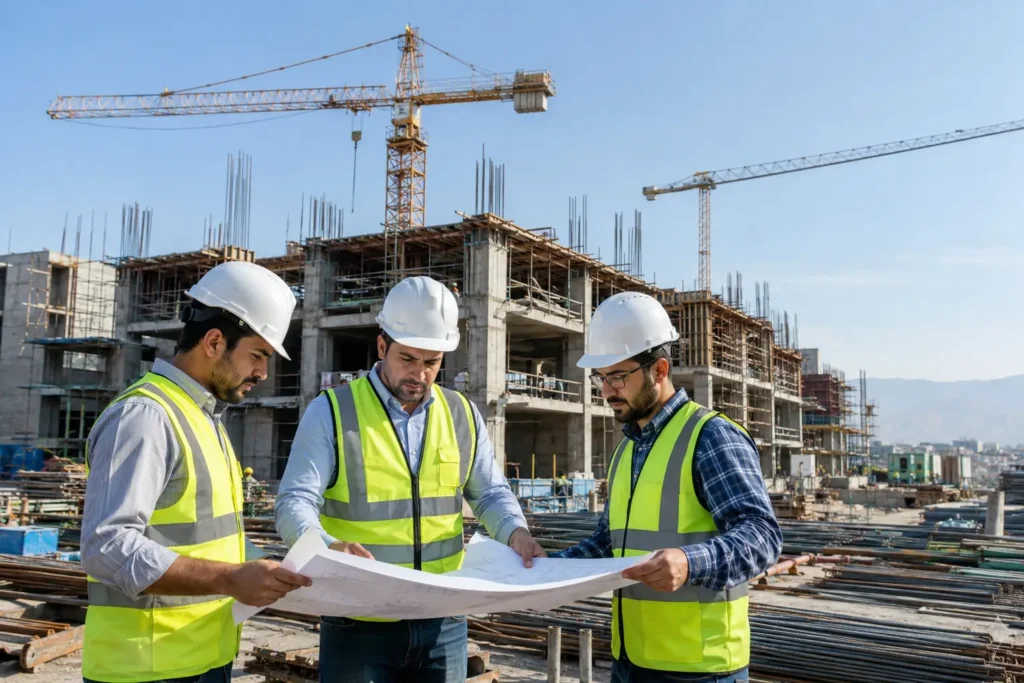
Construction projects, industrial installations, production machinery and electronic equipment can be exposed to sudden and costly damage. Engineering Insurance in Iran helps contractors, developers, manufacturers and equipment owners manage these risks by covering eligible physical loss or damage under the terms of the selected policy.
Engineering Insurance is not a single standard product. The appropriate policy depends on whether the insured asset is under construction, being installed, undergoing testing or already in operation. The project value, location, equipment specifications and required extensions must also be reviewed before a quotation can be provided.
By submitting a request through Bima24, you can have your project or equipment reviewed by an insurance specialist. The specialist will contact you to explain the appropriate policy type, available coverage, exclusions and documents required for assessment.
What Is Engineering Insurance?
Engineering Insurance is a category of property insurance developed for construction projects, infrastructure, machinery, industrial equipment and completed structures. Depending on the policy, it may cover sudden and unforeseen physical damage during construction, installation, testing, commissioning or normal operation.
Despite its name, Engineering Insurance is not limited to individual engineers. It may be purchased by project owners, employers, contractors, developers, manufacturers, factory operators and owners of specialised machinery or equipment.
Engineering policies are generally divided into two main groups:
- Insurance for projects during construction or installation
- Insurance for machinery, equipment and structures during operation
This classification is also used by Iranian insurance sources, including Iran Insurance, Azki and Bimeh.com.
Who Needs Engineering Insurance in Iran?
Engineering Insurance may be relevant to a wide range of Iranian businesses and organisations, including:
- Contractors and subcontractors
- Property developers and construction companies
- Owners of residential, commercial or industrial projects
- Civil engineering and infrastructure companies
- Road, bridge, tunnel and dam contractors
- Factories and production facilities
- Machinery and production-line owners
- Installation and commissioning companies
- Owners of construction plant and heavy machinery
- Medical, laboratory and technology centres
- Cold-storage facilities
- Owners or operators of completed civil structures
The profession or industry alone does not determine the correct insurance. The project stage, insured property, nature of operations and possible causes of loss must be evaluated first.

Types of Engineering Insurance
Construction-Period Insurance
These policies are intended for projects that are still under construction, installation, testing or commissioning.
Contractors’ All Risks Insurance – CAR
Contractors’ All Risks Insurance is commonly used for building and civil engineering projects. It may apply to residential and commercial buildings, roads, bridges, tunnels, dams, water systems and other infrastructure projects.
Subject to the policy conditions, CAR Insurance can cover sudden physical loss or damage to the contract works, construction materials and completed sections of the project during the insured period.
Coverage for third-party property damage or bodily injury may also be included when the relevant section and limits are shown in the policy. Construction equipment, debris-removal costs and the maintenance period may require separate extensions or declared limits.
The term “All Risks” does not mean that every possible incident is insured. The policy only responds to events that fall within its scope and are not excluded by its general conditions, special conditions or endorsements.
Erection All Risks Insurance – EAR
Erection All Risks Insurance is designed for projects in which the installation of machinery, industrial equipment or metal structures represents the main part of the work.
It may be suitable for:
- Production-line installation
- Factory machinery
- Power-generation equipment
- Industrial tanks and pipelines
- Steel structures
- Electrical and mechanical installations
- Refinery or petrochemical equipment
- Heavy industrial systems
Depending on the agreed policy period, coverage may begin when the insured items are unloaded at the project site and continue through storage, erection, testing and commissioning.
CAR and EAR policies may appear similar, but their primary applications differ. CAR is generally considered when civil or construction work represents the main exposure. EAR is usually considered when machinery and equipment installation represents the greater part of the project value or risk.
Operational Engineering Insurance
After a project has been completed, different insurance may be needed to protect machinery, equipment, goods or structures during operation.
Contractors’ Plant and Machinery Insurance – CPM
CPM Insurance covers eligible sudden physical loss or damage to contractors’ machinery and equipment, subject to the insured location, geographical limits and policy conditions.
It may be used for equipment such as cranes, loaders, bulldozers, excavators and similar machinery. Both owned and eligible hired equipment may require consideration, depending on the insurer’s terms.
The insurer normally evaluates:
- Type and use of the machinery
- Year of manufacture
- Current replacement value
- Operating location
- Maintenance condition
- Previous losses
- Storage and security arrangements
Normal wear, gradual deterioration and routine maintenance are generally not insured. The applicable exclusions must be reviewed in the final policy wording.
Machinery Breakdown Insurance – MB
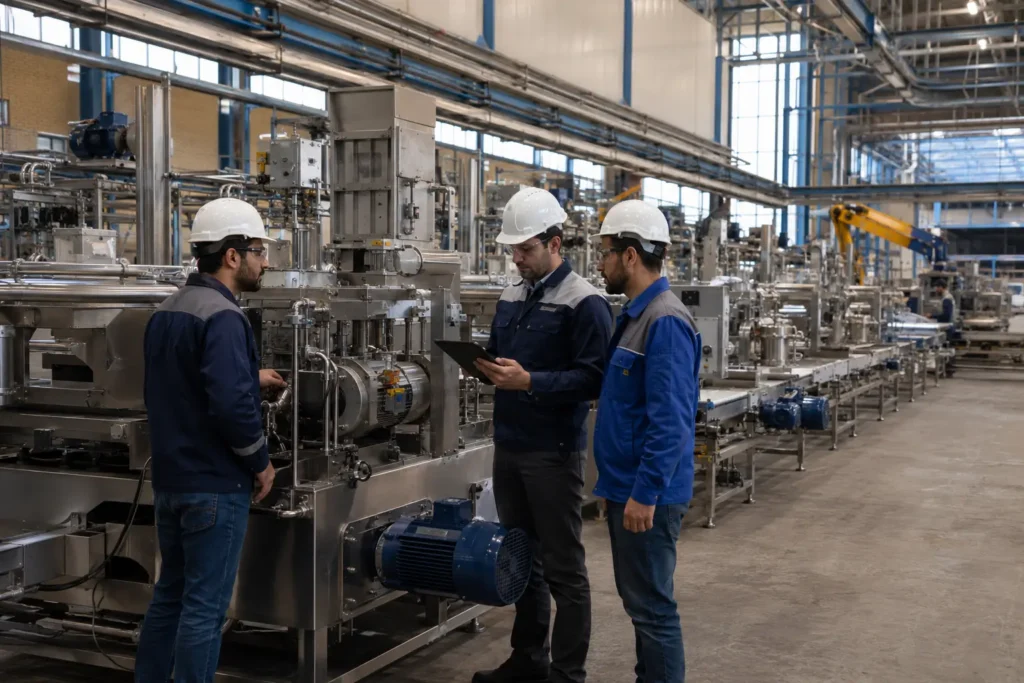
Machinery Breakdown Insurance is intended for sudden and unforeseen damage to fixed machinery used by factories, production facilities and other businesses.
Depending on the policy wording, eligible events may include:
- Mechanical breakdown
- Electrical faults
- Short circuits
- Accidental operator error
- Defects in material, construction or installation
- Physical explosion
- Centrifugal force
- Certain other sudden internal causes
This insurance does not normally pay for routine servicing, gradual corrosion, ordinary wear or replacement of consumable parts. It is therefore important to distinguish an accidental breakdown from damage caused by long-term deterioration or insufficient maintenance.
Machinery Loss of Profits Insurance – MLOP
Damage to machinery may affect more than the machine itself. If an essential production line stops, the business may lose revenue while continuing to pay salaries, rent and other fixed expenses.
Machinery Loss of Profits Insurance is a complementary policy connected to Machinery Breakdown Insurance. Subject to its conditions, it may compensate for insured financial losses caused by an interruption following covered machinery damage.
The insurer may need to review:
- Financial statements
- Production capacity
- Gross profit
- Dependency on critical machinery
- Repair or replacement time
- Availability of spare parts
- Backup production arrangements
- The requested indemnity period
A machinery breakdown does not automatically activate MLOP coverage. The material damage must normally be covered under the associated Machinery Breakdown policy, and all other policy requirements must be satisfied.
Electronic Equipment Insurance – EE
Electronic Equipment Insurance may be suitable for specialised electronic devices and systems, including:
- Computer and server systems
- Telecommunications equipment
- Medical devices
- Laboratory equipment
- Industrial control systems
- Monitoring and measurement equipment
- Other specialised electronic installations
The equipment type, age, replacement value, operating environment, electrical protection and maintenance arrangements affect the insurance assessment.
Portable equipment, external data media, data restoration and increased operating costs may not be included automatically. These items should be discussed with the specialist and, when available, added through the appropriate coverage or endorsement.
Deterioration of Stock Insurance – DOS
Deterioration of Stock Insurance is intended for goods stored in cold-storage facilities that may deteriorate following an insured and sudden breakdown of refrigeration equipment.
The assessment may consider:
- Type and value of the stored goods
- Required storage temperature
- Refrigeration capacity
- Equipment condition
- Alarm and monitoring systems
- Backup power supply
- Emergency procedures
- Maximum storage period
The deterioration of goods alone is not sufficient for a claim. The cause of the temperature change or refrigeration failure must fall within the insured risks and comply with the policy conditions.
Civil Engineering Completed Risks Insurance – CECR
CECR Insurance is intended for certain completed civil engineering structures during operation. Depending on the insurer’s terms, it may be considered for structures such as bridges, tunnels, dams, roads, pipelines and similar infrastructure.
The covered risks are determined by the structure, location, natural-hazard exposure, construction details and policy wording. Coverage for earthquake, flood, landslide or other natural events must be verified in the schedule and endorsements.
Latent Defects Insurance – LDB
Latent Defects Insurance relates to serious hidden defects that were not apparent when a building was completed or delivered but became evident during the insurance period.
Depending on the applicable terms and Iranian regulations, coverage may relate to defects affecting the structural integrity, stability or safety of major building elements. Technical inspections, approved plans, construction records and quality-control requirements may be necessary.
The duration, eligible buildings, insured parties and exact scope of LDB Insurance must be confirmed under the policy and current Iranian requirements.
What Does Engineering Insurance Cover?
Coverage differs significantly between engineering policies. Depending on the selected product and its endorsements, eligible risks may include:
- Fire, explosion and lightning
- Flood, storm, heavy rain and certain natural events
- Earthquake, subsidence or landslide
- Theft under specified conditions
- Sudden damage during construction or installation
- Accidental damage during testing or commissioning
- Unintentional human error
- Mechanical or electrical breakdown under the relevant policy
- Damage to third-party property
- Third-party bodily injury where included
- Debris-removal expenses
- Loss of profit after an insured machinery breakdown under MLOP
Every item on this list is subject to the policy wording, limits, deductible and endorsements. A coverage name should not be treated as confirmation that a particular claim will be paid.
What Is Not Covered?
Exclusions vary between insurers and policy types. Common matters requiring particular attention include:
- Intentional acts by the policyholder
- Normal wear and tear
- Gradual corrosion or deterioration
- Routine maintenance expenses
- Contractual penalties
- Loss caused only by project delay
- The cost of correcting defective work
- Known damage existing before policy inception
- Loss occurring outside the insured location
- Loss occurring outside the insurance period
- War and nuclear risks
- Confiscation or seizure by authorities
- Undeclared material changes to the project
- Risks specifically excluded by an endorsement
Errors in design, defective material and faulty workmanship require careful review. A policy may cover resulting physical damage while excluding the cost of repairing the defective item itself, or it may exclude both unless a specific extension is included.
The policy schedule, general conditions, special conditions and endorsements together determine the final coverage.
Engineering Insurance vs Professional Liability Insurance
Engineering Insurance primarily protects insured projects, structures, machinery and equipment against eligible physical damage.
Professional Liability Insurance for engineers deals with the legal liability of an engineer, designer, supervisor or consultant when a professional error causes loss to another party.
Employers’ Liability Insurance is also different. It concerns the employer’s legal liability for eligible bodily injury suffered by employees at work.
A construction or industrial project may therefore require more than one policy:
- Engineering Insurance for the project or equipment
- Employers’ Liability Insurance for workers
- Professional Liability Insurance for engineers
- General or third-party liability coverage
An insurance specialist can help identify which policies complement each other without assuming that one policy replaces all others.
How Is the Cost of Engineering Insurance Calculated?
There is no fixed standard price for Engineering Insurance in Iran. The premium can only be calculated after the project or equipment details have been reviewed.
Important pricing factors include:
- Type of Engineering Insurance
- Nature and complexity of the project
- Contract value or insured value
- Replacement value of machinery
- Construction or installation period
- Testing and commissioning period
- Maintenance period
- Project location
- Exposure to earthquake, flood or other natural hazards
- Contractor’s experience
- Previous claims
- Safety and risk-control measures
- Selected extensions
- Third-party liability limits
- Deductible amount
- Imported components and replacement costs
- Availability of spare parts
- Required site inspection
A lower premium does not necessarily mean that two quotations offer the same protection. Coverage limits, deductibles, exclusions and endorsements must be compared alongside the price.
Required Documents
The required documents depend on the selected insurance, project type and risk level. After you submit your request, a Bima24 specialist will contact you and explain the exact documents and technical information required.
The initial Bima24 request form only asks for:
- Full name
- Phone number
- A short description of the project, machinery or equipment
Additional documents may be requested during the assessment. This allows the insurer to examine the risk and provide appropriate terms rather than relying on incomplete information.
How to Request Engineering Insurance in Iran
1. Submit Your Initial Request
Enter your full name, phone number and a short description of your project or equipment.
2. Speak With an Insurance Specialist
A specialist will contact you to understand the type of activity, current project stage, property requiring insurance and main risks.
3. Provide the Required Information
The specialist will explain which documents, forms or technical details are necessary. A site inspection may be required for some projects or machinery.
4. Review the Proposed Terms
After assessment, the available coverage, limits, deductibles, exclusions, endorsements and premium will be explained to you.
5. Complete the Issuance Process
Once the information and proposed terms have been approved, the insurance issuance process can be completed.

Important Points Before Choosing a Policy
Declare the project and equipment values accurately. Underinsurance may reduce the amount payable when a claim is assessed.
The insurance period should match the actual project schedule. Storage, testing, commissioning, temporary handover and maintenance periods should be considered separately where applicable.
Inform the insurer about material changes such as:
- An increase in the contract value
- Extension of the project period
- Design changes
- Changes in construction methods
- Additional equipment
- Suspension of operations
- A change in the use or location of machinery
Before accepting a quotation, review the deductible, coverage limits, exclusions and endorsements. The lowest-priced quotation may omit an extension that is important for the project’s main risk.
Common Mistakes When Buying Engineering Insurance
Common mistakes include:
- Assuming “All Risks” means every event is covered
- Choosing a policy without considering the project stage
- Confusing Engineering Insurance with Professional Liability Insurance
- Declaring an outdated machinery value
- Applying after work has already started without disclosing it
- Ignoring testing and commissioning periods
- Failing to include the maintenance period
- Comparing quotations only by price
- Failing to report major project changes
- Not reviewing deductibles or sub-limits
Request Engineering Insurance in Iran
If you need insurance for a construction project, factory, production line, machine or specialised equipment, submit the Engineering Insurance request form.
A Bima24 specialist will review your initial information and contact you to explain the appropriate insurance type, required documents and available terms. Submitting the form is a request for consultation and assessment; it does not confirm coverage or complete the purchase automatically.